Online teaching jobs in Nigeria: how to start tutoring
By the Hawkit New team · · 4 min read
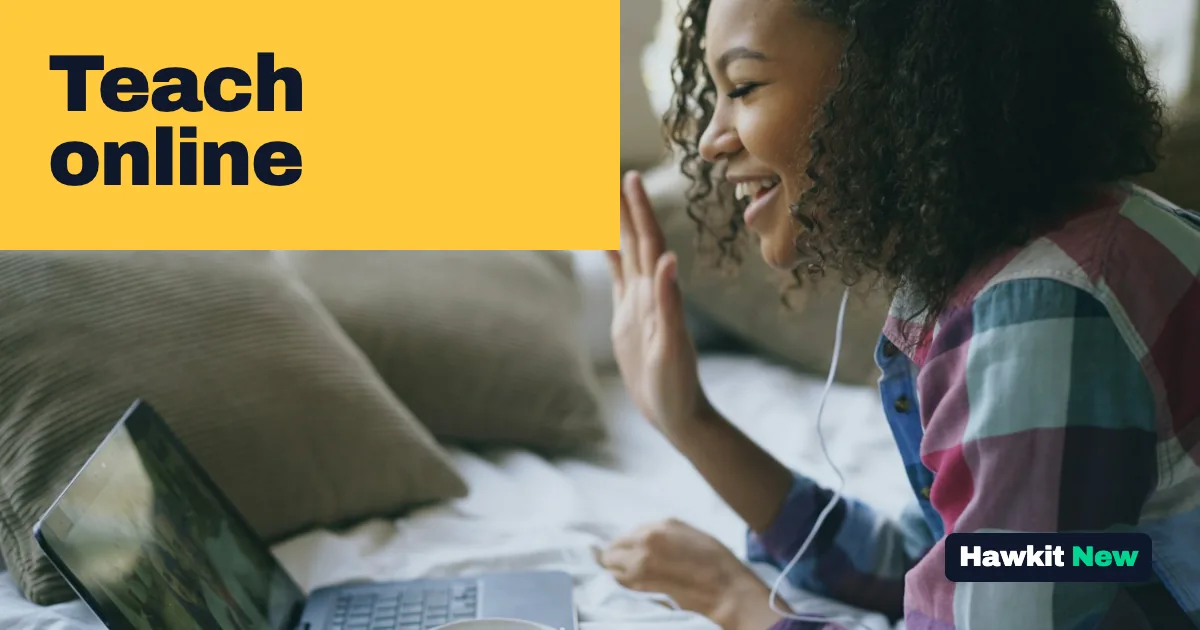
Online teaching is one of the most reliable ways to earn money online in Nigeria, because demand never really stops. Parents pay for WAEC, JAMB and school-subject lessons, adults pay to learn skills like coding and Excel, and international platforms accept tutors from Nigeria. You can start with a phone, good internet and one subject you know well.
What kinds of online teaching jobs are there?
| Type | Students | Where they come from |
|---|---|---|
| Exam prep (WAEC, NECO, JAMB) | Secondary school students | Parents, schools, WhatsApp groups |
| School subjects | Primary and secondary pupils | Parents, referrals |
| Skills | Adults: coding, Excel, design, digital marketing | Social media, LinkedIn |
| Languages | Adults and children, at home and abroad | Language platforms |
| Music and arts | All ages | Instagram, YouTube |
| Test prep for travel | IELTS, TOEFL candidates | Social media, agencies |
Interest in teaching jobs has spiked recently among Nigerian searchers, and exam seasons push it higher every year.
Which platforms hire Nigerian tutors?
You can work through platforms or find your own students. Platforms bring students; your own clients usually pay more.
- Preply is an international marketplace where tutors set their own rates and teach languages and other subjects. It accepts tutors from many countries.
- Tuteria connects Nigerian tutors with students for home and online lessons.
- uLesson is an African edtech company focused on school curriculum, which sometimes recruits teachers and content creators.
- Schools and lesson centres increasingly hire online tutors for evening classes.
Check each platform's requirements, commission and payout method before you sign up.
How do you find your own students?
This is where the better money is. A simple plan:
- Pick one subject and one level, like "JAMB Mathematics".
- Post a short teaching video on WhatsApp status, TikTok or Instagram: solve one tricky question clearly.
- Share a simple offer: "Online maths lessons, 3 times a week, evenings. DM for details."
- Offer a free trial lesson to the first few students.
- Ask parents for referrals once results improve.
Teaching videos double as adverts. A good one gets shared in parent groups, and that's how tutors fill their timetables. Our guide to making money on YouTube shows how to grow that further.
How much should you charge?
Price by the value and the market. A starting framework:
- Per-hour pricing for one-off lessons.
- Monthly packages for regular students, such as 12 lessons a month, paid up front.
- Small group classes of three to five students, priced lower per student but higher per hour for you.
As a worked example: if you charge ₦25,000 a month per student for three lessons a week and teach eight students, that's ₦200,000 a month. Group classes can raise that without more hours. Treat these as illustrations; prices vary by city, subject and your results.
What equipment do you need?
You don't need a studio. You need:
- A laptop or phone that handles video calls.
- Two internet options, such as a MiFi and phone data.
- A headset with a microphone for clear sound.
- A digital whiteboard app or a cheap writing tablet for maths and science.
- A quiet, well-lit corner.
- Backup power, like a power bank for your router.
How do you keep students and parents happy?
- Start and end on time. Every time.
- Send a short weekly update to parents: what you covered and how their child is doing.
- Use past questions for exam students. They want results.
- Give small homework and check it.
- Celebrate improvements. Parents remember tutors who notice progress.
How can paid tasks fit around your lessons?
Lessons cluster in evenings and weekends, leaving gaps in the day. Some tutors fill those gaps with small earners.
On Hawkit New, advertisers pay you for short social tasks: posting their advert on your WhatsApp status, following a business page, subscribing on YouTube, or installing an app and giving honest feedback. Rewards are set per task, and withdrawals go by bank transfer to any Nigerian bank or microfinance bank. It's a handy top-up while your student list grows.
Join Hawkit New, our platform, and turn the quiet hours between lessons into extra income.
When is demand for tutors highest?
Plan your marketing around the school calendar. Demand climbs in the months before WAEC, NECO and JAMB, at the start of each school term, and during long holidays when parents want children kept busy. Post your offer a few weeks before each peak, not during it, so you're booked when the rush starts.
What mistakes do new online tutors make?
- Teaching every subject. Specialists get booked; generalists get ignored.
- No payment terms. Collect monthly fees up front.
- Poor sound. Students forgive a blurry camera, not muffled audio.
- No backup internet. Missed lessons lose students.
- Underpricing forever. Raise rates as your results speak.
Related reads: remote jobs in Nigeria and side hustles for students.
So, how do you start?
Pick one subject you teach well, set up a simple online setup, post a few teaching videos, and offer trial lessons to your first students. Add a platform like Preply or Tuteria for extra reach. And for income between lessons, create your Hawkit New account and earn from simple tasks on your phone.
Questions
Can I teach online from Nigeria?
Yes. You can tutor Nigerian students for WAEC, JAMB and school subjects, teach adults skills, or teach international students on platforms that accept tutors from Nigeria. A phone or laptop and reliable internet are enough to start.
Which subjects are most in demand?
Mathematics, English, physics, chemistry and biology for WAEC and JAMB, plus coding, Excel, languages and music. Exam-prep tutoring peaks in the months before major exams.
How much do online tutors earn in Nigeria?
It depends on subject, level and whether you find students yourself. Private online lessons for secondary school students are often priced per hour or per month. Tutors who build their own client base usually earn more than on marketplaces.
Do I need a teaching certificate?
Not for most private tutoring. Parents care about results and good communication. A degree or certificate in your subject helps, and some platforms ask for proof of qualifications.
What equipment do I need to teach online?
A laptop or smartphone, stable internet with a backup, a headset with a microphone, and a quiet space. A digital whiteboard app or a cheap writing tablet helps for maths and science.